How AI in Beauty Is Transforming Personalized Skincare and Makeup
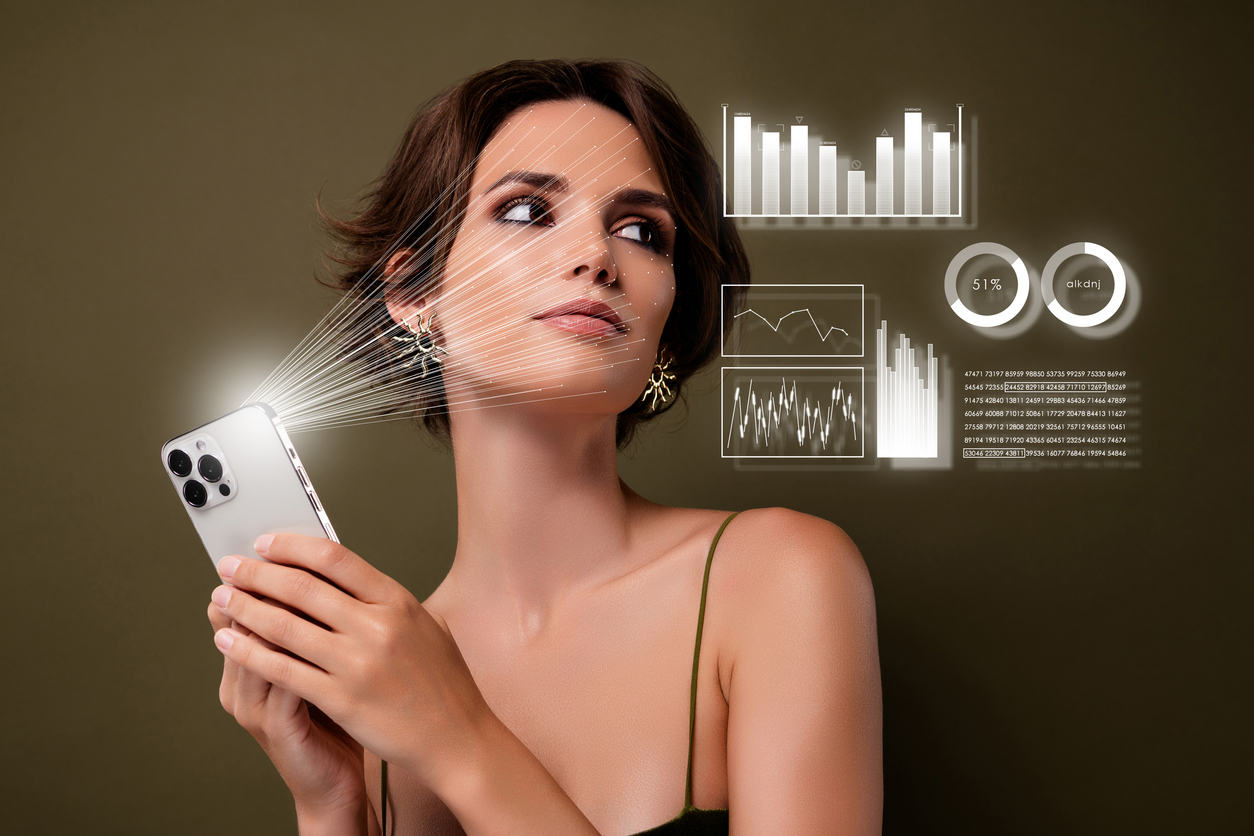
Artificial intelligence has officially entered the beauty conversation — and this time, it’s not a novelty. Today, AI in beauty is less about futuristic gimmicks and more about precision, personalization, and performance. What once felt experimental — scanning your skin with your phone, virtually testing lipstick shades in seconds, receiving a custom skincare routine based on real data — is quickly becoming an expected part of the modern beauty experience.
For years, we have relied on trial and error. Products were chosen based on trends, recommendations, or persuasive packaging, often with mixed results. Artificial intelligence is shifting that dynamic. Today’s AI-powered beauty tools analyze individual skin concerns such as tone variation, texture, fine lines, and hydration levels to deliver personalized skincare recommendations rooted in measurable inputs rather than guesswork. The result is a smarter, more efficient approach to skincare and makeup selection.
Major global beauty companies like L’Oréal have invested heavily in AI-driven diagnostics and augmented reality, integrating sophisticated shade-matching technology and skin analysis tools into digital shopping experiences. Similarly, Estée Lauder has expanded AI-powered virtual try-on tools that use facial mapping to simulate foundation, lipstick, and contour application with impressive realism. These systems rely on machine learning models trained across diverse skin tones and facial structures, supporting greater inclusivity and more accurate results.
The appeal is simple: confidence. Beauty has always carried a degree of uncertainty — the lingering question of whether a product will truly deliver. AI reduces that ambiguity. By evaluating real skin data instead of broad categories, these platforms offer recommendations that feel intentional rather than generic. In a category as personal as skincare, that precision builds trust. Consumers today are less interested in overflowing shelves and complicated routines; they want targeted solutions that align with their unique skin needs. Artificial intelligence helps filter the noise, allowing efficacy to take precedence over excess.
Beyond personalization, AI in beauty is also enhancing the digital retail experience. Virtual try-on technology allows users to test shades and finishes in real time, narrowing options before making a purchase. This not only increases consumer confidence but can also reduce unnecessary returns — an increasingly important consideration as beauty brands examine sustainability practices. Smarter recommendations mean fewer unused products and more mindful consumption.
Artificial intelligence isn’t here to replace dermatologists, estheticians, or makeup artists — it’s a first step, a smart guide in the beauty journey. A diagnostic tool can highlight dryness, uneven tone, or other concerns, making any consultation or routine adjustment more informed and effective. In this way, technology works alongside expertise, enhancing it rather than taking its place.
Comments are closed.