Body Care Is the New Skincare: Head-to-Toe Skinification with Active Ingredients
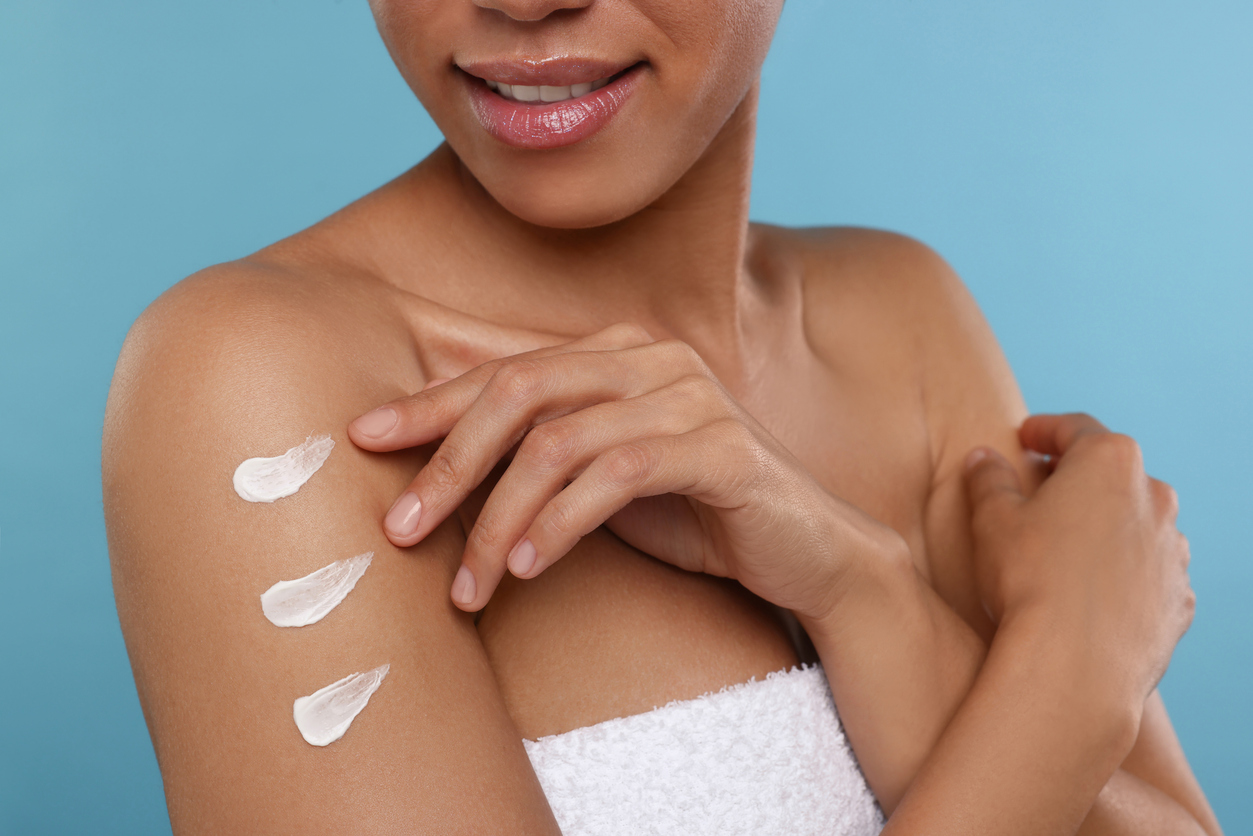
For years, body care lived in the shadow of facial skincare—an afterthought limited to basic lotions and the occasional scrub. Today, body care is the new skincare, with active ingredients like retinol, niacinamide, and chemical exfoliants appearing in body lotions, creams, and washes. This shift, often called the skinification of body care, is changing how we approach head-to-toe skincare routines.
This evolution isn’t about adding unnecessary steps. It’s about treating concerns like uneven texture, breakouts, and loss of firmness with the same specificity we’ve come to expect from facial routines—and knowing which ingredients actually make a difference.
Take chemical exfoliants, for example. Alpha hydroxy acids (AHAs) like glycolic and lactic acid are now common in body lotions designed to smooth rough patches and improve tone, particularly on areas like the arms and legs. Beta hydroxy acid (salicylic acid) has also moved beyond the face, appearing in body washes and treatments aimed at congestion and body acne—especially useful for the back and chest.
Niacinamide, a multitasker that strengthens the skin barrier, evens tone, and reduces redness, is increasingly featured in niacinamide body creams and daily moisturizers, making them feel less like basic hydration and more like treatment products. For those concerned with firmness or fine lines, retinol for body is gaining traction in creams—though formulas are typically gentler than their facial counterparts and best introduced gradually to avoid irritation.
Hydration, too, has become more sophisticated. Ingredients like hyaluronic acid and glycerin draw moisture into the skin, while ceramides help lock it in—an important distinction, particularly in colder months when dryness becomes more pronounced. The result is formulas that don’t just sit on the surface, but actively support the skin’s function.
With these upgrades, full-body skincare routines are becoming more thoughtful—but not necessarily more complicated. The most effective approach still mirrors what dermatologists recommend for facial skincare: cleanse, treat, and moisturize—with each step incorporating active ingredients like AHAs, salicylic acid, or hydrating ceramides for optimal results.
It begins in the shower, where a basic body wash is increasingly being replaced by formulas infused with exfoliating acids or hydrating ingredients, turning a simple cleanse into the first layer of treatment. From there, targeted products come into play—whether that’s an AHA-based lotion to smooth texture or a salicylic acid treatment to address breakouts—applied a few times a week, depending on your skin’s needs. The final step is where the shift toward true skin health becomes most apparent: sealing everything in with a moisturizer rich in ceramides or barrier-supporting ingredients, ensuring hydration lasts and the skin remains balanced.
The difference now is less about adding steps and more about making each one work harder. Applied consistently—and ideally onto slightly damp skin, when absorption is at its peak—these small adjustments can have a noticeable impact over time, without turning body care into something overly complicated.
Body care is no longer reactive—something we reach for only when skin feels dry or uneven. Instead, body skincare is now a preventative, maintenance-focused approach, recognizing that the rest of your skin deserves the same attention as your face.
Comments are closed.